
ARCANNA DOES |
Investigations accelerated with intelligent context gathering, customized AI, and continuous learning. Always under human control.
Investigations are traceable, grounded in human decisions and organization specifics, every insight is explainable, and your data stays under your control.
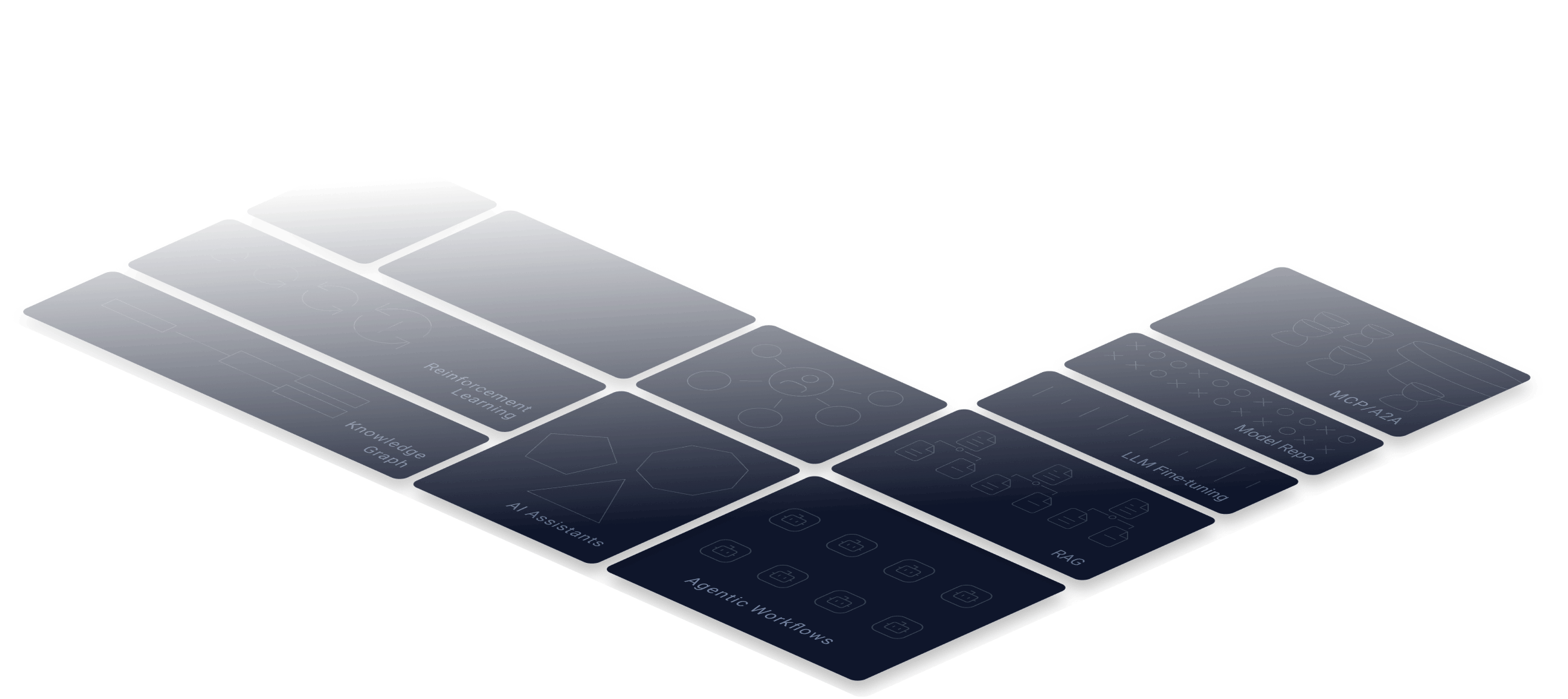
INVESTIGATION LAYER
Agentic workflows and GenAI assistants that investigate, gather evidence, and draft reports, and much more - integrated and governed through Decision Layer.

AI Assistants
Ask questions in plain language. Get answers instantly. Your LLM, your control.

Agentic Workflows
Multiple agents working together. Complex investigations, automated. Built on Google ADK.

RAG
Your documentation, instantly searchable. Find what you need, when you need it.

Model Adaptation
Model behavior is aligned to your organization through analyst feedback and supervised updates — without exposing model internals or configuration.

Knowledge Graph
See connections others miss. Understand relationships. Think deeper.

Governed Learning Loops
Validated outcomes and analyst feedback are reviewed and applied through controlled learning loops — never autonomously.

Model Repo
All your AI models, in one place. Version control. Seamless deployment.

MCP
Connect everything. SIEM, threat intel, case management. One seamless experience.
Analysts investigate.
Arcanna accelerates
discovery.
Manual investigation doesn't scale.
Arcanna's Investigation Layer provides:
Google ADK Agentic workflows for multi-step investigations - adaptable to your environment.
GenAI assistants enabled by trusted LLMs available via Bedrock, Vertex AI, Azure OpenAI, or via Model Repo.
Model learning and optimization are handled internally under the same trusted platform.
Without losing oversight.
Humans in control.
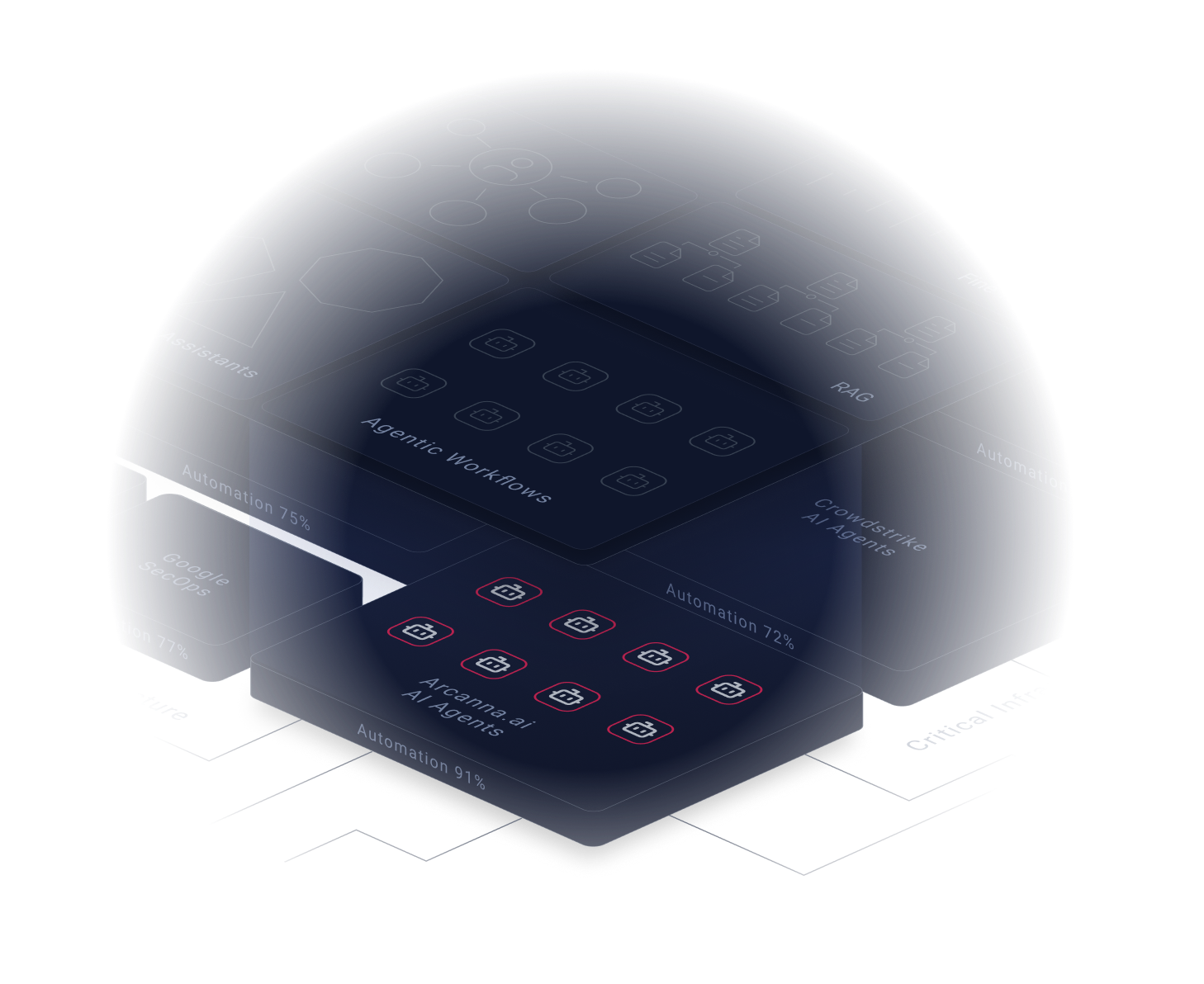
Code agents in your IDE.
Run them with confidence.
Modern SOCs Build in Code: Claude Code, Cursor or Gemini Code
Native IDE Integration for building, testing, hardening and running reliable agentic workflows.
Using Arcanna MCP tools, teams can:
All workflows are grounded in organizational ontology and institutional decisions, enforced by the control plane and executed independently in the automation plane.